Press
The FVV organises pre-competitive, industrial collective research on sustainable powertrain and energy systems of the future for an international network of science and automotive, mobility and energy industries. As a service provider for innovative businesses, especially SMEs, we organise fact-based research projects and communicate research results and their innovation potential.
You can find here in the press area current media advisories and press releases on the people in the FVV Innovation + Transfer Network and, above all, on the research programme. There is a wide variety of topics relating to climate neutrality and zero-impact emissions in sustainable energy conversion systems.
You are a media representative, journalist, (online) multiplier ... with questions about the FVV and its research output?
Please contact us:
Petra Tutsch // Communications
+49 69 6603 1457, tutsch@fvv-net.de
» Press kit
Top news

News // Press releases
MTZ 06/2026
Carbon-neutral powertrains
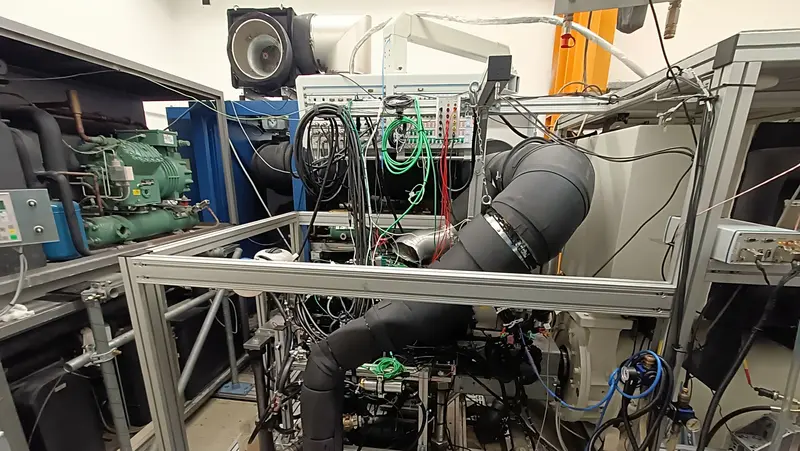
Research into non-fossil energy sources and life cycle analyses initiated by FVV is playing a major role in bringing powertrain solutions with a low carbon footprint to market more quickly.
PM / 07.01.2026
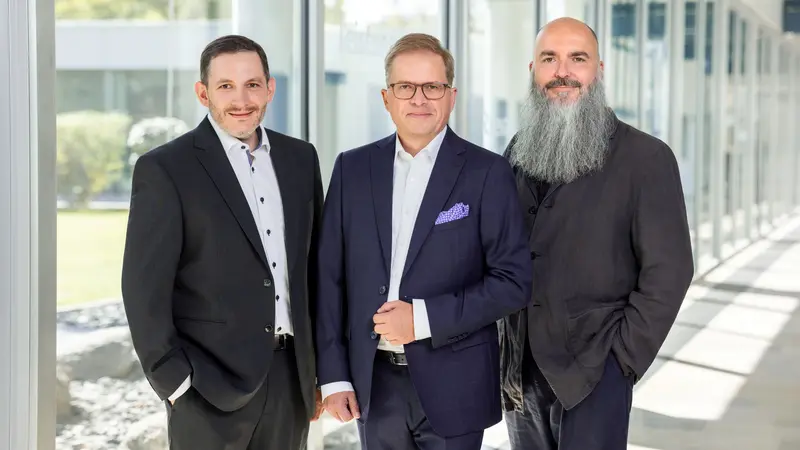
New Deputy Managing Director
Max Decker joins the FVV management team

TRANSFER 12/2025
Hydrogen as a key technology for the energy transition
Renowned research institutions, much like the FVV, see hydrogen (H2) as a promising option for decarbonising the energy and transport sectors through the large-scale replacement of fossil fuels.

MTZ 12/2025
Efficient fuel cells
The multi-faceted mix of future concepts for defossilizing industry and transport also includes energy conversion using fuel cells

TRANSFER 06/2025
Ways to reduce emissions and CO2 effectively
In order to get CO2 management with net zero emissions off to a quick start and further reduce the already low level of harmful substances like NOx, all available energy converters and carriers must be used in a way that allows their specific properties to be as effective as possible.

MTZ 05/2025
Reducing emissions
Technical optimisation and novel sustainable energy sources offer enormous potential to further reduce emissions and CO2

TRANSFER 12/2024
Application-oriented materials research for the energy industry
The anniversary brochure provides a comprehensive overview of the history, successes and future challenges of research into the high-temperature behaviour of materials under variable loads.

MTZ 11/2024
Innovative development tools
Efficient research methods open up new approaches for developing more climate-friendly and resource-efficient powertrains

TRANSFER 09/2024
New energy conversion and powertrain systems
FVV's research projects see industry and science working together on the groundwork for new energy converters and carriers that offer potential for the climate goals to be implemented in the EU and worldwide in an economically viable and socially acceptable way.

PM / 28.06.2024
A bridge head between science and industry
Dietmar Goericke is retiring and handing over the management of FVV to his former deputy Martin Nitsche.

MTZ 06/2024
Green molecules: hydrogen
Hydrogen is one of the key elements of our transformation to a sustainable society: green molecules + green electrons are a perfect match. Hydrogen as an energy carrier does not release any greenhouse gases. If it is produced using renewable energy sources, it is completely climate-neutral as ›green‹ hydrogen. Research into its potential in combination with both fuel cells and combustion engines is therefore a key pillar of FVV’s activities for sustainable mobility.

PM / 14.05.2024
Solutions-oriented research on the power generation and mobility of the future
The FVV has undergone a sweeping transformation over the last few years and, with its innovative fields of research, now stands for all energy conversion systems and powertrain solutions of the future. The new chairman, Dr Markus Schwaderlapp, and his deputy, Christopher Steinwachs, will continue to drive the change process forward.

TRANSFER 03/2024
New research methods and simulation tools
The pre-competitive fundamental research conducted at FVV is opening up new ways to develop sustainable, climate-friendly powertrain and energy systems that conserve resources. There is an increasing focus on research projects that involve designing and implementing state-of-the-art development tools, are part of international collaborations or use AI methods.

MTZ 11/2023
Electric motors
In the FVV network, companies, research institutes and associations engage in joint, pre-competitive research into powertrain solutions to achieve climate neutrality in the transport sector. All concepts that can potentially contribute to CO2 reduction are considered, whether these be battery electric solutions, the use of hydrogen in fuel cells or thermal conversion systems, or other alternative energy sources. The association’s activities in the area of battery electric powertrains have recently been pooled in the new ›Electric Motors‹ expert group.

TRANSFER 10/2023
Hydrogen: decarbonising energy production and mobility
Decarbonising energy production and mobility is one of the most urgent tasks facing humanity worldwide to counteract climate change effectively. FVV’s members invest significant resources and effort in developing future technologies for a climate-friendly and resource-efficient transformation.

MTZ 06/2023
Sustainable powertrain systems
In its pre-competitive collective research, FVV pursues a technology-neutral approach in which all sustainable powertrain systems and energy sources are considered equally. This mix allows the individual concepts to fully leverage their specific advantages for the respective applications and fields. To quickly achieve the climate and energy policy goals, research for sustainable mobility of the future is being conducted in parallel in several projects.

TRANSFER 04/2023
Energy systems and powertrains of the future
FVV’s diversification strategy for the energy systems and powertrains of the future encompasses all energy converters and carriers that offer potential in this area. These include battery electric solutions as well as fuel cells and thermal converters for alternative energy carriers. In addition, research projects are being conducted on circularity and material/resource efficiency.

MTZ 02+03/2023
Zero-impact emissions: research for a new generation of internal combustion engines
Until now, analyses of the exhaust gas levels of vehicles with combustion engines have focused solely on their pollutant emissions. With the »zero-impact emissions« (ZIE) approach, the concentration of pollutants in the ambient air forms the basis of assessing the exhaust gas level.

PR / 23.05.2022
New study on zero-impact vehicles (ZIV) released
A research project initiated by the FVV shows: If vehicles driven by combustion engines comply with very strict exhaust emissions limits, they no longer have a negative impact on air quality. However, the maximum permissible emissions limit for individual vehicles depends on the respective driving and traffic situation.

MTZ 06/2022
Mastering complexity
The electrification of combustion engine powertrains enables emissions of both greenhouse gases and exhaust pollutants to be reduced significantly. However, the growing level of complexity that accompanies hybridisation is posing new challenges for the development process and the simulation tools used. Through several projects, the FVV is aiming to provide its members with such tools and create a more comprehensive foundation for small and medium-sized industrial businesses.

PR / 11.11.2021
The carbon footprint of the existing fleet is the decisive factor in achieving the climate goals
Electricity, hydrogen or synthetic fuels: When it comes to the energy sources to be used in road transport of the future, there is much debate. A new study by the research association FVV now shows: Powertrain technologies are not the decisive factor for the speed at which transport in Europe can become both sustainable and climate-neutral, but rather the fastest possible departure from fossil energy carriers.

MTZ 09/2021
Industrial engines as power systems – research for optimum system design
The range of applications and the long service life of industrial engines call for research to reconcile climate neutrality and economic efficiency. The FVV promotes the use of climate-friendly energy sources, hybridisation and fuel cells as alternative energy converters. There is one common challenge for the many different applications: The optimum is not achieved primarily through technical details, but rather through system design.

PR / 06.11.2020
Maximum pressure rise: FVV increases hydrogen research
The FVV significantly expands pre-competitive Industrial Collective Research (IGF) on hydrogen-powered combustion engines and fuel cells. Twelve newly initiated projects complement the research already underway and should thus accelerate the implementation of the German and European hydrogen strategy. The aim of the research association is to drive forward the defossilisation of the entire energy chain.
